A simple tasting method
How to taste wine.
You do not need a gifted nose. You need a repeatable method. This beginner guide helps you notice aromas, flavors, and texture—and figure out what you like.
The method
Five steps. That’s it.
Pour a small amount into a clean glass so there is room to swirl. Tasting is simply slowing down enough to notice the wine. A sip or two is enough to get started; you can spit it out.
Sniff
Smell the wine before you swirl. Take a short sniff and notice your first impression. Is it fruity, floral, spicy, earthy, or hard to place? A broad description is enough.
See
Tilt the glass over a white surface in good light. Notice the color and how pale or deep it looks. You are gathering clues, not judging quality from color alone.
Swirl
Keep the base of the glass on the table and move it in small circles. Swirling helps release aromas into the air inside the glass. You do not need a dramatic flourish.
Sniff
Take another sniff. Are the aromas stronger, or do you notice something new? Start with a group such as citrus or red fruit, then get more specific if something comes to mind.
Sip
Take a small sip and let it move around your mouth. Notice the flavors, sweetness, mouth-watering acidity, drying tannin, and weight. After swallowing or spitting, notice what lingers.
What are you paying attention to?
A few simple questions.
You do not need to memorize a wall of wine vocabulary. Start by noticing what your mouth is actually doing. These five characteristics give you a useful place to start. Tap a heading to collapse or reopen its explanation.
Acidity
How much is my mouth watering? Acidity gives wine its tart, fresh feeling. Notice how much your mouth waters after a sip: more salivation is a useful clue to higher acidity. Sweetness can make the tartness seem less obvious.
Tannin
Does my mouth feel dry? Tannin creates a drying, grippy feeling on your gums and cheeks, a little like strong black tea. It is especially noticeable in many red wines. This drying sensation is different from a wine being “dry,” which means it has little or no perceptible sweetness.
Body
How heavy does the wine feel? Body is the wine’s weight or fullness in your mouth. Think of the difference in feel between water and whole milk. A light-bodied wine feels lighter; a full-bodied wine feels richer or heavier. Body is separate from how strong the flavor is.
Sweetness
How sweet does it taste? Sweetness is the taste of sugar in the wine. A dry wine has little or no noticeable sweetness. Fruity aromas do not automatically make a wine sweet: a wine can smell like ripe fruit and still taste dry.
Finish
How long does the flavor stick around? The finish is the flavor and sensations left after you swallow or spit. Notice what remains and how quickly it fades. You can call it short, medium, or long—and record whether you enjoy it.
One important thing
Learning wine is not a test.
You are not trying to produce the “right” answer. You are learning to notice your own experience of the wine. If all you have is “fresh, light, and a little sour,” that is a useful start.
The part people skip?
Writing it down.
Tasting a wine tells you about that wine. Keeping track of what you taste helps you learn about your palate. Write down the producer, wine, grape, region, and vintage if you know them. Then add a few words about the aromas, flavors, and feel—and whether you would buy it again.
A made-up example: “Lemon aroma, mouth-watering, light body, no obvious sweetness. I liked the freshness. Would buy again.” Your notes can be that simple.
When you next try two different wines, compare one thing: which feels lighter, more drying, or more mouth-watering? Look back for patterns in what you enjoy. Familiarity grows with practice, and your preferences can change.
If you know what you dislike but cannot explain why, Wine Is Gross helps you name what bothers you.
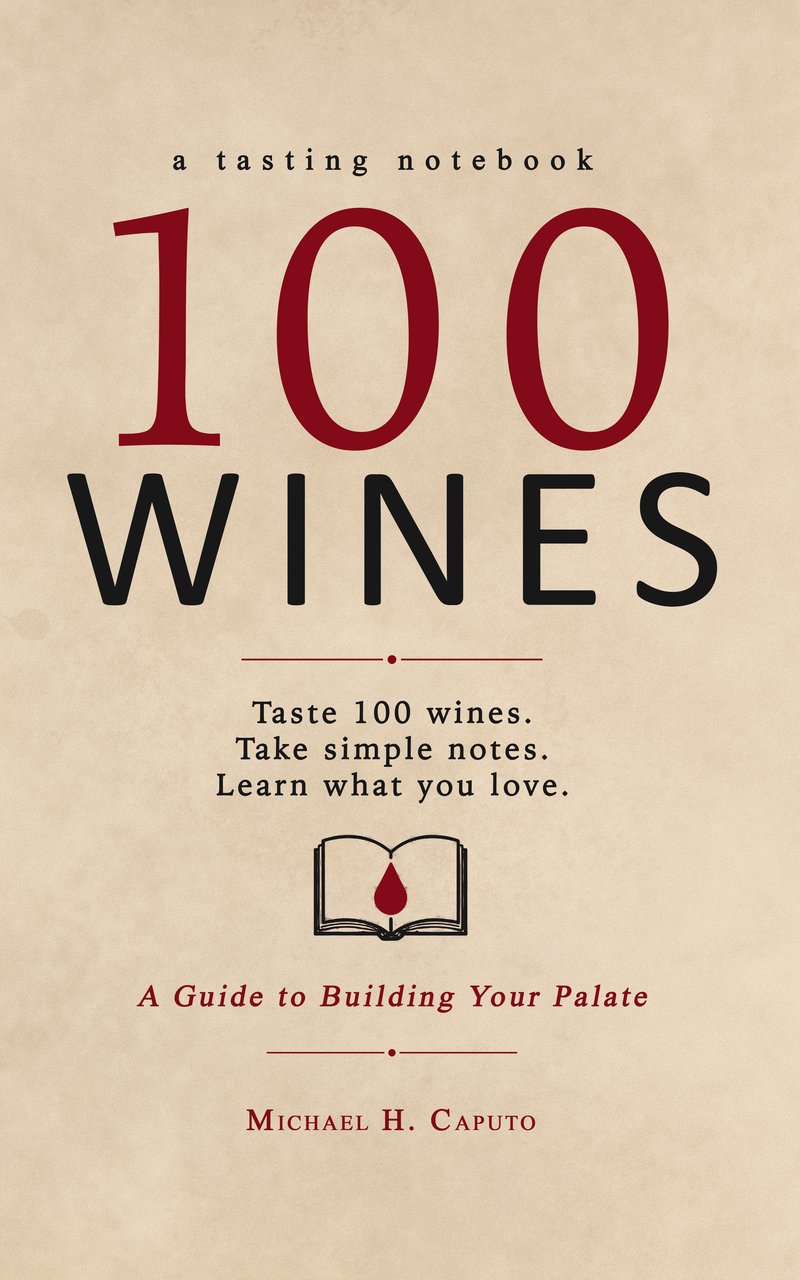
That’s where 100 Wines comes in.
Learn the method. Then keep track.
100 Wines: A Guide to Building Your Palate by Michael Caputo begins with a simple tasting guide. Then 100 tasting pages give you a dedicated place to identify the important things, keep track of what you notice, and start recognizing the patterns in what you actually like.
The paperback has 100 writable tasting pages. The $5 digital edition is a fillable PDF with the guide and all 100 tasting pages, for use with a compatible PDF reader. The Kindle edition, 100 Wines: An Electronic Guide to Building Your Palate, contains the reading material and one sample tasting template.
Learn more at 100winesbook.com →